Four days gives La Rioja enough space: one urban food day in Logroño, one wine-and-village day around Haro and Briones, one cultural route to San Millán and a flexible final day for Ezcaray or the Ebro villages.
Affiliate disclosure: this guide contains a small number of clearly labelled partner links. The practical advice does not depend on using them.
QUICK ANSWER
Use the car for landscapes, not for tasting days
La Rioja is compact, but winery appointments, village streets and alcohol make careless driving a poor plan. Base at least one night in Logroño and one in Rioja Alta, pre-book only the visits you value and assign a sober driver or use a tour for any serious tasting day.
At a glance
| Route | Logroño → Haro → Briones → San Millán de la Cogolla → Ezcaray → Logroño. |
|---|---|
| Duration | 4 days / 3 or 4 nights. |
| Best for | Food, wine landscapes, medieval villages and cultural heritage. |
| Car needed? | Helpful for the full route; not useful inside central Logroño. |
| Safety rule | Never combine driving with wine tasting. Use a designated driver, taxi or organised tour. |
How to plan this La Rioja road trip
The driving distances look short, but a useful day is shaped by appointment times, parking and meals rather than kilometres. Do not schedule three wineries because they appear close on a map. One substantial visit plus a village and lunch is a full day when you listen, walk through production spaces and taste responsibly.
This route starts and ends in Logroño because it has the strongest transport connections and the easiest car-free evening. If you arrive by train or coach, spend the first day without a vehicle and collect the car the next morning. An open-jaw rental can save backtracking only when the fees and return location genuinely work.
Day 1: Logroño, the Ebro and Calle Laurel
Use the first day to understand Rioja as a lived region, not only a wine label. Walk from the Stone Bridge and Ebro riverfront into the old town, passing the churches and Calle Portales. The route is compact, so there is no reason to keep a rental car in the centre. Check in, walk and let the city set the pace.
Visit Mercado de San Blas while it is active, then save Calle Laurel for a moving dinner. Order one speciality at each stop and alternate wine with water or alcohol-free drinks. If you are collecting the car early the next day, finish at a sensible hour. A wine-region itinerary should never depend on being fit to drive after a late crawl.
Day 2: Haro, Barrio de la Estación and Briones
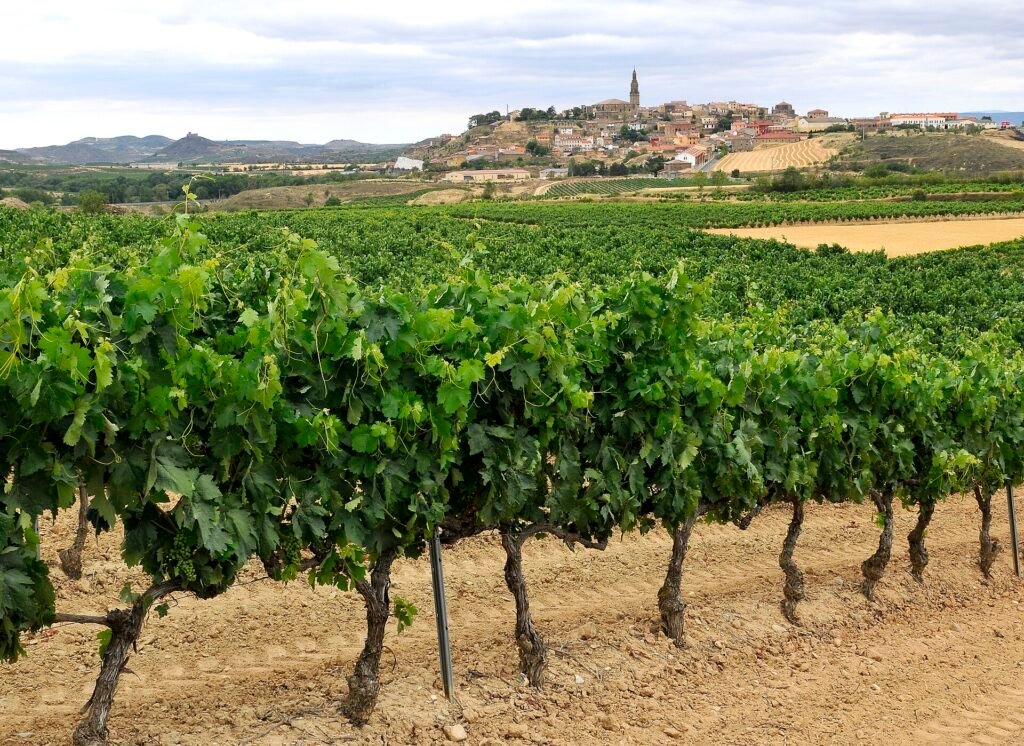
Haro is the practical centre of Rioja Alta wine tourism. Several historic wineries cluster around Barrio de la Estación, but each sets its own tour calendar, language and booking terms. Choose one visit that matches your interest—historic cellars, production, architecture or a focused tasting—rather than selecting only by brand recognition.
After lunch, continue to Briones for stone streets, broad vineyard views and a slower village walk. The route between Haro and Briones is short, yet the landscapes deserve daylight. Stay in Haro, Briones or a nearby village if you want an unhurried dinner. If anyone tastes alcohol, the person driving must abstain completely; sharing sips is not a transport plan.
Day 3: San Millán de la Cogolla and the upper valleys
Turn from wine toward language, monastic history and mountain scenery. The monasteries of Suso and Yuso at San Millán de la Cogolla are associated with the early written development of Spanish and form a UNESCO World Heritage site. Visits operate under their own access arrangements, and Suso can require managed transport or a reserved time. Confirm the official schedule before leaving your base.
Continue only as far as daylight and energy allow. Ezcaray is a good late-day base for a village walk and dinner; Santo Domingo de la Calzada is the better choice when Camino history is your priority. Do not try to fit both, plus multiple monasteries and a winery, into one winter day. The point of the valley is the change in landscape and pace.
Day 4: choose villages, landscape or a slow return
Keep the final day flexible. From Ezcaray, enjoy a slow morning and return through the Oja valley. From Haro or Briones, consider San Vicente de la Sonsierra, Briñas or another Ebro viewpoint. From Logroño, a shorter loop toward Navarrete or the western villages avoids turning departure day into a race.
Weather should make the choice. Fog can erase vineyard views, rain makes cobbled slopes slippery and snow changes mountain access. A museum, long lunch or second town walk is not a failed road-trip day. Avoid remote scenic detours after dark, and keep fuel above the minimum because village stations do not all share city opening hours.
Winery bookings, tasting etiquette and driving safety
Book directly with each winery or through a clearly identified tour provider. Check language, duration, accessibility, cancellation terms and whether the tasting is seated or involves production stairs. Harvest, private events and maintenance can change access. Showing up unannounced may work for a shop tasting, but it is not a reliable way to join a cellar tour.
A designated driver should choose non-alcoholic options and not “taste and spit” as a legal workaround. If the group wants to taste, use a local driver or organised tour and leave the rental parked. Eat before or during the day, drink water and avoid buying more bottles than you can transport safely or legally on the next part of your trip.
Recommended experiences
Compare guided Rioja wine experiences
A tour can remove the driving conflict on a tasting day. Confirm pickup city, winery admissions, food and language before booking.
Affiliate booking: GoTripSteps may earn a commission if you book, at no extra cost to you. Availability and prices are supplied by GetYourGuide.
Rental car, parking and village access
A compact car is easier in historic villages than a large SUV. Compare deposit, excess, fuel policy and additional-driver fees before booking. Photograph the vehicle at collection and return. If the route includes winter mountain roads, ask the rental company what equipment is supplied and what roads the contract permits.
Park outside pedestrian or medieval cores and walk inward. Briones and hill villages include slopes and uneven paving; travellers with reduced mobility should check the closest legal parking and accessible entrance for each venue. Never follow a navigation app into a resident-only street simply because it offers the shortest line.
When to go: seasonal trade-offs
Spring brings green landscapes and changeable weather. Summer offers long days but stronger heat in exposed towns. Early autumn is visually compelling around harvest, yet wineries are working and tours can be limited or heavily booked. Late autumn and winter create quieter streets, shorter daylight and a greater chance of fog, frost or mountain disruption.
Choose the season by the whole route, not just vineyard colour. For village walks and outdoor views, daylight is the scarce resource. For food, museums and cellar architecture, a cooler or wetter trip can be excellent. Check regional road conditions and each booked venue shortly before departure.
Frequently asked questions
How many days do you need in La Rioja?
Three days covers Logroño and one Rioja Alta day. Four days creates room for San Millán, Ezcaray or smaller villages without stacking winery visits.
Do you need a car in La Rioja?
A car is helpful for villages and valleys, but not in central Logroño. For wine tasting, use a designated driver, taxi or organised tour.
Where should you stay in La Rioja?
Logroño suits food and transport; Haro suits winery access; Briones and smaller villages offer quieter scenery. Splitting the stay reduces backtracking.
Do Rioja wineries require reservations?
Many guided cellar visits do. Book the visits you care about directly and confirm language, duration, accessibility and cancellation terms.
Continue planning
Calle Laurel food guide · Spanish regional dishes · San Sebastián pintxos · Bilbao city break · Asturias road trip
Official planning sources
- Spain.info — official La Rioja regional guide
- La Rioja Turismo — San Millán de la Cogolla
- Haro Turismo — official visitor information
Opening hours, transport timetables, admission rules and venue access can change. Recheck the linked official source shortly before travelling.