I stepped off the train at Termini Station, dragging my suitcase over uneven cobblestones, heart racing with that thrilling mix of fatigue and anticipation. The air smelled like history: sun-warmed stone, espresso from nearby cafés, the faint tang of ripe tomatoes in markets. I had arrived in Rome, the Eternal City—where every alleyway whispers stories from centuries past.
First Impressions & Where I Stayed
Rome is a collage of eras. Imperial ruins neighbor medieval towers; Baroque fountains stand beside bustling piazzas. I stayed in the Monti neighborhood: tucked just east of the Colosseum, yet buzzing with local character. Small trattorias, vintage shops, and street art gave this area a friendly, lived-in feel without losing any of the grandeur of ancient Rome.
Sights That Took My Breath Away
The Colosseum & The Roman Forum
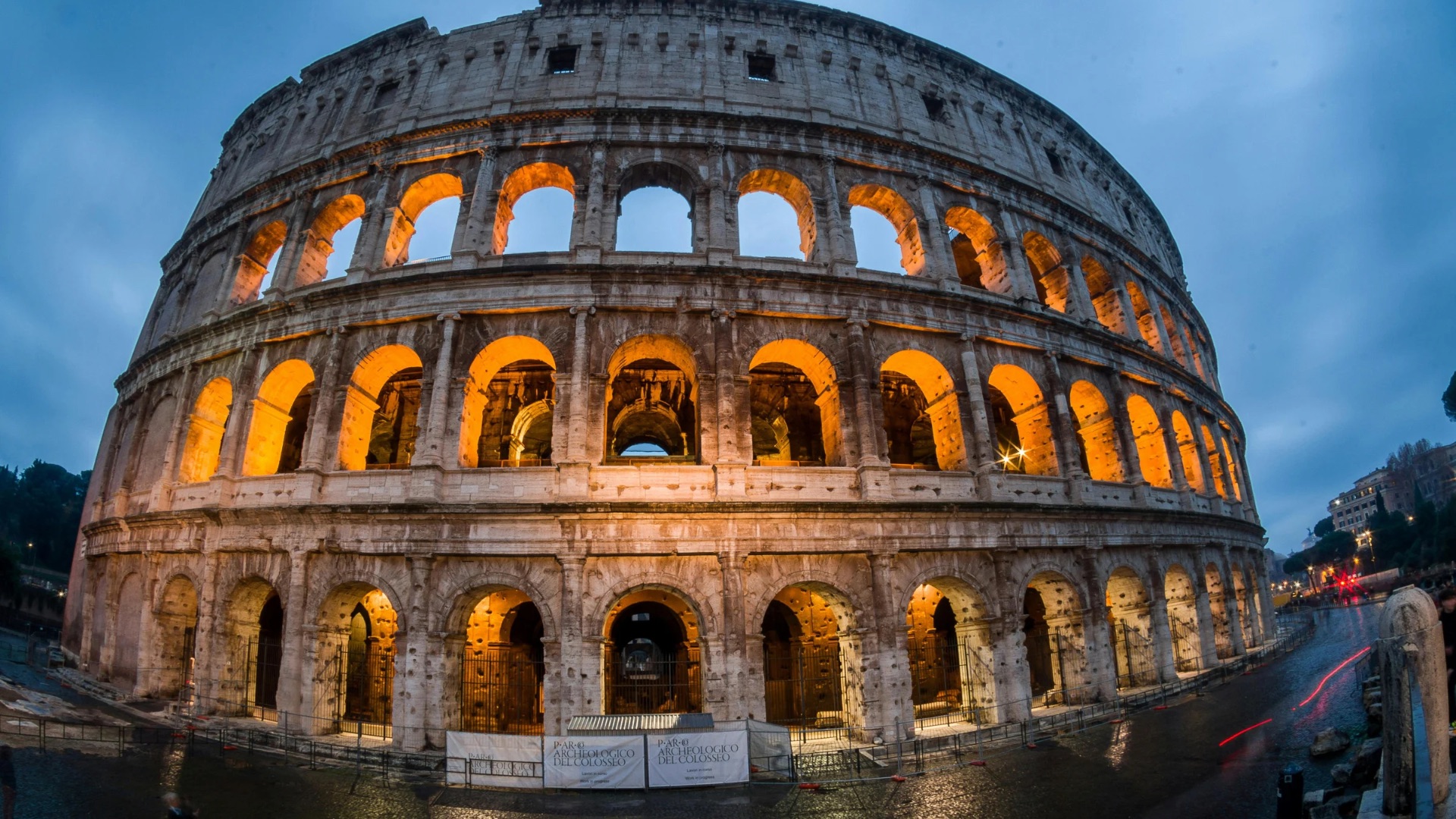
Walking through the Colosseum felt like stepping into a gladiator’s world—imposing arches, shadows still echoing with the roars of ancient crowds. From there, the Forum stretched out in ruins and columns, a once-political heart of an empire. As I wandered, I imagined senators in togas, chariots, public speeches. Time collapsed.
Palatine Hill
Climbing Palatine Hill was one of my favorite moments. Elevated views over Rome’s archaeological layers, green gardens hiding old walls, and panoramic sights of the Forum, Circus Maximus, and beyond. I found a bench under a pine tree just at golden hour, letting the sun paint the city in warm tones.
Pantheon & Piazza Navona
The Pantheon seized me with its perfectly preserved dome and oculus. Light poured in, illuminating the empty space inside and making the marble walls shimmer. Then Piazza Navona: fountains dancing, street artists sketching, people chatting over gelato or late-afternoon wine. It’s joy in motion.
Vatican City
I woke before dawn to beat the crowds. St. Peter’s Basilica—immense, majestic, serene before the buzz. Climbing the dome gave a view of the Vatican Gardens, the Swiss Guards, the city spreading out like a map of history. The Vatican Museums hold treasures so abundant that every gallery felt like unwrapping a gift, each more intricate than the last.
Food, Coffee & Dolce Vita
Food in Rome isn’t just sustenance—it’s culture.
- Cacio e pepe & Carbonara: Two simple pasta dishes, but cooked with precision—cheese, pepper, egg. I sat in a corner trattoria in Trastevere and watched a chef swirl fresh pasta in a wooden bowl, finishing it with cracked pepper. Bliss.
- Supplì & Pizza al taglio: Street food gems: fried rice balls, squares of pizza sold by weight. Perfect while wandering.
- Gelato after sunset: Soft, creamy, flavor-rich. Each cone felt like an excuse to linger, to stroll.
- Coffee: Espresso at the bar, standing — strong, quick, bitter-sweet; cappuccino only before noon. I learned the unspoken rules.
Best Time to Visit & Getting Around
I found that spring (April-June) and autumn (September-October) are magical. Days are warm, crowds thinner, light softer. Summer can scorch you and the tourists swarm; winter is quieter, charming in its own right, though some sites shut early.
Walking is the best way to absorb Rome. Alley by alley, church by church. The Metro is limited, but buses and trams helped me cross longer distances. Beware pickpockets in crowded zones—stay aware, keep valuables close.
Hidden Corners & Local Gems
- Trastevere at dusk: Narrow lanes, ivy-walled houses, little squares where locals gather, string lights overhead. I found a tucked away osteria here, where the owner greeted every customer by name.
- Testaccio Market: Less touristy, alive with vendors shouting prices, fresh produce, cheeses, and Roman-style street food.
- Janiculum Hill (Gianicolo): For sweeping views as the sun sets, locals watching together, often with a gelato or a Spritz.
- Street art in Ostiense: Under bridges, on industrial walls—vivid murals that contrast with Rome’s ancient aura.
Tips I Learned the Hard Way
- Book tickets ahead for big attractions (Colosseum, Vatican). Skip-the-line is worth it.
- Dress modestly when entering churches: shoulders & knees should be covered.
- Try to wander off the main paths; the magic often hides in less-visited streets.
- Carry water: fountains dot the city (nasoni), and the water is potable and refreshing.
Why Rome Captured My Heart
Because Rome is a conversation across time. It’s the past alive in stone and marble—but also life today in laughter, food, art, light. It’s both grand and intimate; raw and refined. I left Rome changed, carrying memories of shadow-draped ruins, bursts of gelato, sunsets over domes, and the echo of voices in piazzas.
If you go, come with wide eyes, an open heart—and comfortable walking shoes. Rome rewards everyone who comes ready to feel, taste, and breathe its stories.