

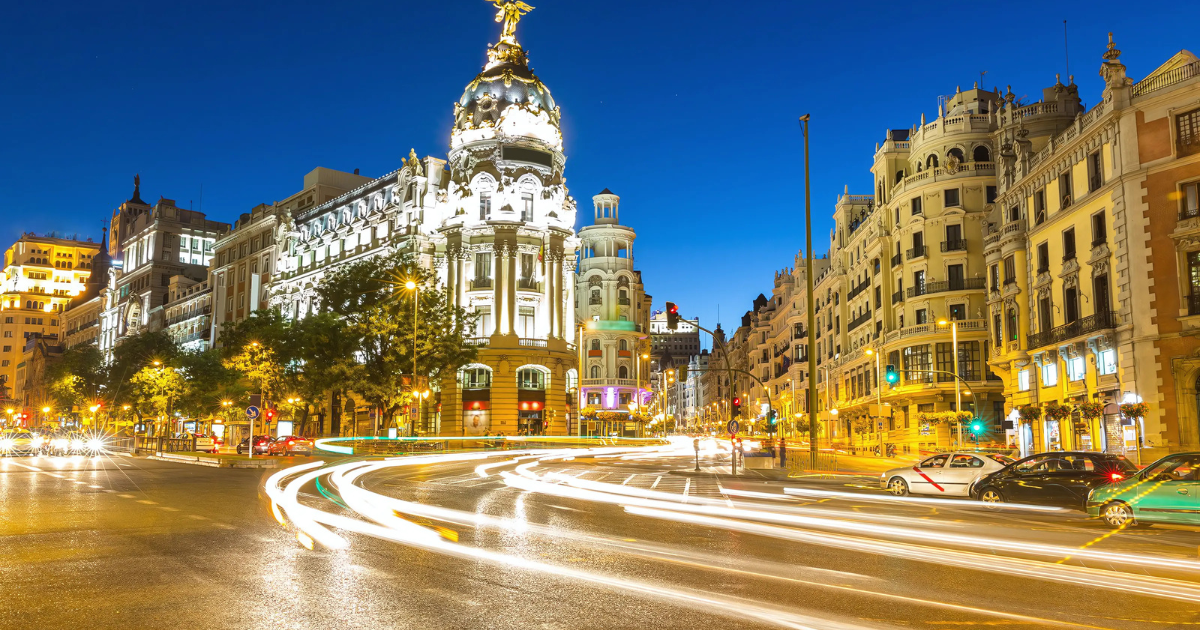
Some cities leave you with photographs; others leave you with stories. Madrid, Spain’s vibrant capital, leaves you with both — and a heartbeat that stays with you long after you’ve left. It’s a city of late-night laughter echoing through tiled alleys, of golden light bouncing off grand plazas, of flamenco guitar strings vibrating deep in your chest. Madrid isn’t a place you simply visit; it’s a place you live — for a few days, weeks, or however long you’re lucky enough to stay.
In this in-depth guide, we’ll explore Madrid not just as a destination but as an experience — full of practical advice, hidden gems, and personal stories that will help you make the most of your journey.
First Impressions: Feeling Madrid
Step off the plane, hop onto the metro, and soon you’re standing at Puerta del Sol — the very center of Spain. Street performers juggle, locals weave quickly through crowds, and tourists pause at the famous bear statue (El Oso y El Madroño). The air smells faintly of roasted chestnuts in winter or fresh churros in summer.
Madrid greets you not with politeness but with energy. It’s not a city that asks you to observe quietly; it insists you take part. Sit at a café terrace, and you’ll soon find yourself people-watching, sipping on a glass of tinto de verano, and wondering why you didn’t come here sooner.
When to Visit Madrid
Madrid is a year-round city, but timing makes a big difference:
- Spring (March–May): The city blooms with festivals and outdoor life. Retiro Park fills with joggers, families, and couples rowing across the pond. Temperatures are pleasant, making it ideal for sightseeing.
- Summer (June–August): Expect heat — often above 35°C. Many locals escape to the coast, but summer nights in Madrid are legendary. Terraces open late, and rooftop bars come alive.
- Autumn (September–November): Crisp air, fewer tourists, and beautiful colors in Retiro Park. A sweet spot for budget travelers.
- Winter (December–February): Cool but not unbearable. Perfect for cozying up in tapas bars, Christmas markets, and catching Madrid’s New Year’s Eve traditions.
Getting Around: The Madrid Way
Madrid’s metro system is fast, clean, and affordable. You can buy a Multi card at stations and top it up easily. Buses are also reliable, and taxis are cheaper than in many other European capitals.
But the best way to feel Madrid is on foot. The center is surprisingly walkable, and neighborhoods flow into each other. One moment you’re on the bustling Gran Vía, and within ten minutes, you can be wandering the hipster bars of Malasaña.
Neighborhoods You’ll Love
- Sol & Gran Vía: The beating heart, full of shops, theaters, and landmarks.
- Malasaña: Alternative, youthful, full of graffiti, vintage shops, and indie cafés.
- Chueca: Known for its vibrant LGBTQ+ scene and stylish bars.
- La Latina: Tapas heaven, especially on Sunday afternoons after El Rastro market.
- Lavapiés: Multicultural, artistic, and full of hidden gems.
- Salamanca: Elegant and upscale, with designer boutiques and fine dining.
Each neighborhood has its own rhythm. Stay in the one that matches your style — or hop between them to experience the full spectrum of Madrid life.
Must-See Landmarks
- Royal Palace & Almudena Cathedral: Regal architecture and sweeping courtyards.
- Plaza Mayor: A historic square where you can sip coffee and imagine medieval markets.
- Prado Museum: Home to Velázquez, Goya, and some of Europe’s greatest masterpieces.
- Reina Sofía Museum: Where Picasso’s Guernica lives — overwhelming and unforgettable.
- Thyssen-Bornemisza Museum: A private collection turned public treasure.
- Retiro Park: Madrid’s green lung, perfect for a picnic, rowing boat, or sunset stroll.
- Gran Vía: Madrid’s “Broadway,” lined with theaters, shops, and historic buildings.
Art, Culture & Flamenco
Madrid’s Golden Triangle of Art — Prado, Reina Sofía, and Thyssen — could keep you busy for days. But culture in Madrid isn’t locked in museums. It’s in the literary cafés of Barrio de las Letras, the flamenco tablaos where dancers stomp out centuries of tradition, and the street art murals of Lavapiés.
Catch a flamenco show at Casa Patas or Cardamomo — touristy, yes, but authentic enough to send shivers down your spine.
Food in Madrid: A Love Story
Eating in Madrid isn’t just about food; it’s about ritual. Locals gather in tapas bars, ordering small plates of jamón, croquetas, or tortilla española, paired with cañas (small beers).
- Mercado de San Miguel: Famous but crowded — great for grazing.
- Mercado de San Ildefonso or Antón Martín: More local, less touristy.
- Churros & Chocolate at San Ginés: Open since 1894, perfect after a night out.
- Cocido Madrileño: A hearty chickpea-based stew for cold days.
- Bocadillo de Calamares: Fried calamari sandwich, best eaten near Plaza Mayor.
One tip: dinner starts late. Arrive at 7 pm, and you may find restaurants still setting tables. Wait until 9 or 10 pm, and you’ll be part of the real Madrid rhythm.
A 3-Day Madrid Itinerary
Day 1 – Icons of Madrid
- Morning: Royal Palace & Plaza Mayor
- Afternoon: Prado Museum & Retiro Park
- Evening: Tapas crawl in La Latina
Day 2 – Art & Neighborhoods
- Morning: Reina Sofía (see Guernica)
- Afternoon: Explore Lavapiés & Chueca
- Evening: Flamenco show
Day 3 – Local Life
- Morning: El Rastro flea market (Sunday)
- Afternoon: Stroll Malasaña & shop vintage
- Evening: Rooftop drinks with sunset views at Círculo de Bellas Artes
Hidden Gems & Local Experiences
- Temple of Debod: An Egyptian temple relocated to Madrid, magical at sunset.
- Museo ABC: A museum of illustration and design.
- Matadero Madrid: A cultural center in a former slaughterhouse.
- Rooftop Bars: From hotel terraces to secret hideouts, Madrid rooftops offer some of the best views.
Practical Tips
- Language: English is spoken in tourist spots, but basic Spanish helps.
- Safety: Madrid is safe, but pickpocketing can happen in crowded areas.
- Money: Cards are widely accepted, but small change is useful for markets.
- Transport: Get a metro card if staying more than a day or two.
- Dining: Don’t expect dinner before 9 pm. Embrace the rhythm.
Madrid at Night
If Madrid has one secret, it’s this: the city truly comes alive after dark. Locals spill into plazas, friends gather for late dinners, bars fill up, and clubs open until sunrise. Whether you prefer sipping cocktails on a rooftop or dancing till dawn in Malasaña, Madrid will keep you awake — and smiling.
Responsible Travel
Support local businesses, stay in family-run guesthouses, and use public transport or bikes. Madrid is modernizing sustainably, and travelers can play their part by choosing eco-friendly options and respecting local traditions.
Final Thoughts: Why Madrid Stays With You
Madrid is not just Spain’s capital — it’s its soul. A city of contrasts: regal and rebellious, traditional and modern, fast-paced yet somehow relaxed. It’s a city that doesn’t just show you its sights; it pulls you into its rhythm.
By the time you leave, you’ll carry with you more than photos — you’ll carry Madrid’s heartbeat. And that’s the magic of this city.